- Stress and anxiety
- Relationship challenges
- Grief and loss
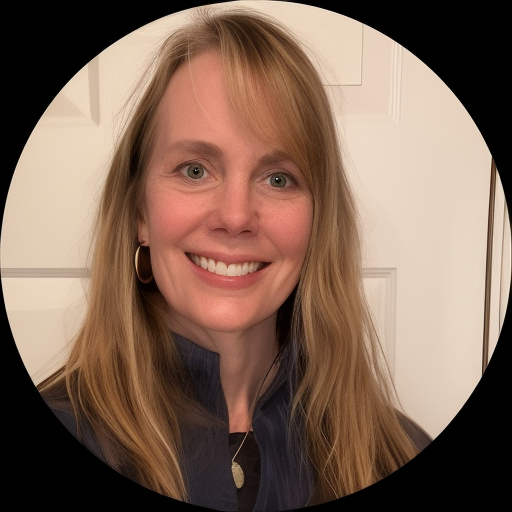
About Joyce
Joyce listens first and helps people name what matters most. She uses clear coping strategies and teaches practical tools for managing anxiety and stress. Sessions often include noticing emotions, building better communication habits, and working through painful family-of-origin issues.
Her background includes five years of clinical work supporting people through loss and transition. She blends several evidence-informed methods to tailor the work to the person in front of her. That can mean shifting between present-focused skills and deeper attachment work depending on the situation.
Joyce pays attention to patterns that fuel problems like codependency, control struggles, or repeated abandonment fears. She also supports people facing aging and geriatric concerns, intellectual disability considerations, and blended family stress. The focus is on practical change rather than labels.
People who meet with Joyce can expect steady, respectful guidance toward clearer choices. She encourages small steps that fit everyday life and helps clients track progress. To begin, follow the directory's matching process and schedule a first session based on availability.
How different approaches can work online
Attachment-Based Therapy focuses on how early relationships shape current patterns. It looks at trust, closeness, and recurring fears of abandonment, helping people notice and change those patterns. Cognitive Behavioral Therapy, or CBT, helps people spot unhelpful thoughts and test new behaviors to reduce anxiety and stress. It tends to be practical and skill-focused, useful for managing symptoms and daily routines.Finding the right approach is a collaborative process. The therapist will talk with the client about goals and preferences, then try methods that fit the situation. That means sessions can shift over time between skills practice and deeper emotional work as needs change.
Confirm the available session options before booking since specific formats are not listed in the biography. Online therapy can make it easier to fit sessions into a busy schedule, shorten check-ins when time is tight, or avoid travel time on busy days. It can also allow work on difficult conversations and emotion regulation from wherever the client is, helping translate new skills into everyday life.
License and NPI
- LCMHC
NPI1720899081
As shown on the therapist's profile. You can check a license with the state board and an NPI with the national registry.
Areas of expertise
Primary focus
Additional focus areas
Therapeutic approaches
Experience
5+ years
Credentials
New Hampshire
Languages
English
Frequently asked questions
What concerns does Joyce focus on?
She supports people with stress, anxiety, relationship and family problems, grief, and coping with life changes. Additional areas include fertility issues, attachment concerns, and communication problems.
What is her therapeutic style like?
Her approach is warm and client-centered, with an emphasis on listening first and building practical coping skills. She balances short-term strategies with deeper work on attachment and relationship patterns.
How much clinical experience does she have?
Joyce has five years of clinical experience working with people through loss, transitions, and family conflict. That experience informs a flexible approach to each person's needs.
What credentials and region are listed?
She holds the LCMHC credential, which stands for Licensed Clinical Mental Health Counselor, and practices in New Hampshire.
Which languages are sessions offered in?
Sessions are offered in English.
What session formats are available?
Please confirm current session options before booking, as the biography does not list specific formats. The directory's booking flow can clarify how sessions are conducted.
How are fees and payment handled?
Cost varies with location and therapist availability, and sessions use a subscription that can be canceled at any time.
How do I get started with Joyce?
Select the Start Therapy button, complete a short matching questionnaire, and schedule according to therapist availability.