- Addictions and recovery
- Parenting and postpartum
- Stress and mood
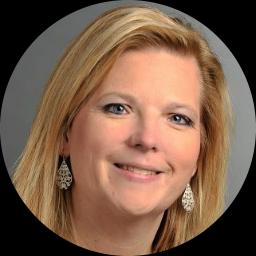
About Meg
How evidence-based methods translate to online care
Many of the evidence-based techniques used in therapy focus on clear tools and practical skills rather than lengthy theory. For example, behavioral approaches help people identify patterns that keep problems going and build small changes that reduce anxiety or improve mood. These methods are useful for issues like depression, seasonal affective disorder, and mood swings.Another common approach emphasizes coping skills after trauma and loss, teaching grounding strategies, emotion regulation, and ways to handle intrusive memories. These techniques aim to reduce distress and make day-to-day tasks feel more manageable. A coaching-style focus can help people clarify life purpose, set goals, and maintain motivation through changes like parenting or recovery from substance use.
Finding the right approach is part of the work. The therapist will collaborate with each person to choose methods that match their needs, goals, and preferences. That choice can be revisited over time as needs change.
Because the biography does not list specific session formats, confirm current session options before booking. In general, online sessions can make it easier to fit therapy into a busy schedule, shorten commutes, and allow for more flexible scheduling. They can also let people have a shorter check-in when that is most useful or choose a quieter time that fits around work or caregiving duties.
License and NPI
- LCSW-C
NPI1922743178
As shown on the therapist's profile. You can check a license with the state board and an NPI with the national registry.
Areas of expertise
Primary focus
Also works with
Additional focus areas
Experience
26+ years
Credentials
Maryland
Languages
English
Frequently asked questions
What kinds of concerns does she help with?
She works with people facing addictions, trauma and abuse, anxiety, depression, relationship issues, grief, parenting stress, and related concerns such as postpartum depression and caregiver strain.
How does she approach therapy?
She emphasizes an open, nonjudgmental space and collaborative problem-solving. Conversations focus on practical steps people can try between sessions.
What is her professional background?
She has 26 years of professional experience supporting people with substance use, mood disorders, trauma, and caregiving challenges.
What credentials and location are listed?
She holds the LCSW-C credential in Maryland and practices in Maryland.
Which languages are available for sessions?
Sessions are offered in English.
Can people outside the United States work with her?
International clients are not currently accepted.
How are fees handled?
Cost varies with location and therapist availability; sessions use a subscription model that can be canceled at any time.
How do I begin a therapy process?
Click the Start Therapy button, complete a short matching questionnaire, and schedule sessions according to therapist availability.