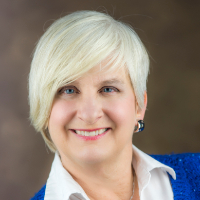
- Experienced psychologist
- Practical coping skills
- Compassionate listening
About Nancy
She began her career working in both inpatient and outpatient settings and completed neuropsychological assessments early on. Later she spent many years teaching psychology at a local community college, where she mentored students and shared clinical knowledge in the classroom. That long teaching career informs how she explains ideas in simple, usable terms.
In sessions she focuses on what a person wants to change and looks for small, practical steps that add up over time. She uses familiar therapy approaches such as Cognitive Behavioral Therapy and Mindfulness Therapy to help with mood, anxiety, and coping skills. She also draws on psychodynamic ideas to understand recurring patterns and Solution-Focused techniques to set concrete goals.
Outside of clinical work she cares for a hobby farm, tends goats and bees, and practices traditional crafts like spinning and weaving. Those activities shape a down-to-earth, hands-on style in the therapy room. If the reader wants a clear, patient guide through stressful life chapters, Dr. Simpson invites them to consider whether her approach fits their needs.
How therapy approaches translate to online care
Dr. Simpson uses Cognitive Behavioral Therapy and Mindfulness Therapy in ways that are easy to explain and practice remotely. Cognitive Behavioral Therapy focuses on identifying unhelpful thoughts and testing new behaviors; it helps with anxiety, depression, and mood shifts by teaching concrete skills. Mindfulness Therapy teaches present-moment noticing and simple attention practices to reduce stress and improve emotion regulation.Choosing the right approach is part of the process. The therapist will collaborate with each person to match methods to their goals and preferences, adjusting the plan as needed. This collaborative process means trying techniques, checking what works, and shifting focus when life circumstances change.
The biography does not list specific online session formats, so confirm the available options before booking. Online therapy can make it easier to fit sessions into a busy schedule, reduce travel time, and allow shorter check-ins when needed. It can also let people use mindfulness exercises and homework between meetings, so skills practice becomes part of everyday life.
License and NPI
- Psychologist
NPI1356010235
As shown on the therapist's profile. You can check a license with the state board and an NPI with the national registry.
Areas of expertise
Primary focus
Also works with
Additional focus areas
Therapeutic approaches
Experience
20+ years
Credentials
South Carolina
Languages
English
Frequently asked questions
What concerns does Dr. Simpson address?
She helps people with stress, anxiety, depression, bipolar disorder, parenting challenges, relationship and intimacy-related concerns, grief, self-esteem, career stress, compassion fatigue, and related issues listed in her specialties.
What is her general therapy style?
Her style is down-to-earth and practical. She emphasizes clear explanations, achievable steps, and listening to what matters most to each person.
How much clinical experience does she have?
She brings 20 years of professional experience and earlier clinical work combined with a long teaching career in psychology.
What credentials and location are listed?
She is listed as SC Psychologist 731 and practices in South Carolina.
Which languages are supported?
Sessions are offered in English. International clients are not currently accepted.
What session formats are available?
The original biography does not specify session formats; confirm current session options before booking to know which formats are offered.
How does cost and billing work?
Cost varies with location and therapist availability, and sessions use a subscription that can be canceled at any time.
What are the first steps to start working together?
Select the Start Therapy button, complete a short matching questionnaire, and schedule according to therapist availability.