- Person-centred care
- Acceptance and Commitment Therapy
- Calm practical support
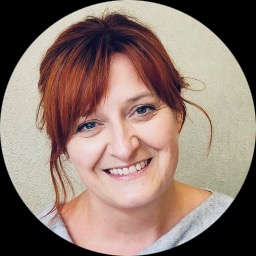
About Sharon
Sharon practises in a person-centred way and uses Acceptance and Commitment Therapy, or ACT, alongside client-centred techniques. That means sessions focus on what the person wants their life to look like and on small, practical steps to get there. Conversations are down-to-earth and paced to suit the individual rather than following a fixed script.
She offers help with midlife transitions, loss of confidence, bereavement and changes brought on by illness or ageing. Sharon also supports people dealing with guilt, isolation, sexual assault and issues common to young adults and women. The work often mixes listening, reflecting and trying out new ways of responding to tough situations.
With three years of experience and the NCPS credential, Sharon draws on simple, evidence-informed ideas to build resilience. Sessions aim to reduce overwhelming feelings and increase day-to-day coping. Her approach is collaborative and adaptable to each person’s needs.
If someone wants to start, the usual next step is a short matching process and then arranging sessions at times that fit their schedule. Sharon encourages straightforward conversation about goals and priorities so therapy can be practical from the first meetings.
How ACT and client-centred work online
Acceptance and Commitment Therapy, or ACT, helps people notice unhelpful thoughts and choose actions that match their values. It often uses simple exercises and short practices to build everyday habits and cope with anxiety or grief.Client-Centred Therapy focuses on listening and reflecting so people feel heard and clearer about what they want. The therapist follows the person’s lead and offers gentle support to help make changes at the client’s pace.
Choosing the right approach is part of the work together. Sharon will discuss goals, preferences and what feels most useful, then try approaches collaboratively rather than imposing a fixed method. This helps tailor sessions to each person’s situation.
Online therapy can make it easier to fit counselling into a busy life, such as squeezing sessions around work, appointments or childcare. It can reduce travel time and make it simpler to keep up regular meetings. Because session formats are not specified in the biography, confirm the exact online and in-person options before booking so you know what to expect.
Professional registration
- NCPS
As shown on the therapist's profile. You can check membership with the professional body named.
Areas of expertise
Primary focus
Additional focus areas
Therapeutic approaches
Experience
3+ years
Credentials
NCPS · United Kingdom
Languages
English
Frequently asked questions
What issues does Sharon focus on?
She works with stress, anxiety, trauma and abuse, grief, career and coping with life changes, including pregnancy and childbirth.
What is her therapeutic style like?
Sharon uses a person-centred, pluralistic style that adapts to each person. Sessions are collaborative and focus on practical steps and values-based change.
How much clinical experience does she have?
Sharon has three years of experience working with people on a range of concerns including chronic illness, bereavement and midlife change.
What credentials and location apply?
She holds the NCPS credential and practices in the United Kingdom.
Which languages are sessions offered in?
Sessions are offered in English.
Can people outside the UK work with her?
She is not currently accepting international clients.
How are sessions paid for and what is the cost?
Costs vary with location and therapist availability; sessions use a subscription that can be cancelled at any time.
How do I begin therapy with Sharon?
Click the Start Therapy button, complete a short matching questionnaire, and then schedule sessions according to her availability.