- Client-centered focus
- Cognitive-behavioral tools
- Practical goal setting
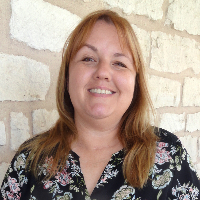
About Angela
She brings experience from hospital and jail settings and has supported people rebuilding their lives after major upheaval. Angela has worked with trauma survivors and people with acute mental health concerns and addiction. She has also taught at the university level and values learning alongside her clients.
Her approach blends several methods so the work fits each person. She uses client-centered skills to listen and reflect, Cognitive Behavioral Therapy tools to shift unhelpful thoughts and behaviors, and Motivational Interviewing to support change. She also draws on Solution-Focused and Emotionally-Focused ideas when helpful.
In sessions she aims to tailor the plan to what the client needs and wants. That can mean brief skill-building, longer work on painful experiences, or practical steps for coping with parenting, sleep, grief, or relationship strain. She supports people working through issues such as body image, codependency, and life purpose.
Angela works with people across many backgrounds and belief systems and accepts clients from outside the U.S. If you’re ready to start, she asks that you use the site’s Start Therapy button to begin the matching process and schedule a first session.
How Angela’s approaches translate to online care
Client-Centered Therapy focuses on listening and reflecting to help people feel heard and to identify what matters most to them. It’s useful when someone wants a space to talk through distress and find their own direction. Cognitive Behavioral Therapy, or CBT, looks at how thoughts and behaviors interact and teaches practical tools for managing anxiety, low mood, and sleep problems. Emotionally-Focused Therapy helps people notice and name strong feelings and use them to change difficult patterns in relationships.Deciding which approach to use is a collaborative process. Angela typically talks with each person about their goals and preferences, and she adapts techniques to match what is most helpful. That could mean focusing on coping skills first, then moving into deeper emotional work if needed.
The therapist’s biography does not list specific session formats, so confirm current online options before booking. In general, online therapy can make it easier to fit sessions into busy schedules, reduce travel time, and allow for shorter or more frequent check-ins when needed. Licensed professionals can use these options to continue steady progress while adapting sessions to everyday life.
License and NPI
- LCSW
NPI1093394694
As shown on the therapist's profile. You can check a license with the state board and an NPI with the national registry.
Areas of expertise
Primary focus
Also works with
Additional focus areas
Therapeutic approaches
Experience
9+ years
Credentials
Texas
Languages
English
Frequently asked questions
What concerns does Angela help with?
She helps people managing stress, anxiety, trauma, depression, addictions, relationship strain, parenting stress, sleep problems, and related issues such as body image and codependency.
What is her general therapy style?
Her style is practical and compassionate with occasional humor. She blends listening and reflection with skill-building and goal-focused work.
What kind of background does she have?
Angela has nine years of clinical experience and a longer history in mental health, including work in hospital and jail settings and university teaching.
What credentials and location are on record?
She is licensed as an LCSW in Texas and practices from that state.
Which languages are supported and can international clients join?
Sessions are offered in English and she accepts international clients.
What session formats are offered?
The biography does not specify session formats. Please confirm current session options before booking.
How is cost handled?
Cost varies with location and therapist availability; sessions use a subscription that can be canceled at any time.
How do I get started with therapy?
Use the Start Therapy button, complete a short matching questionnaire, and schedule sessions based on the therapist’s availability.