
Sahra Robinson
LCSWNew York · 24 yrs exp
Experienced LCSW focused on practical support
Stress, Anxiety · Relationship · Anger · Self esteem · +12 more
Read profileTherapist listings are provided by BetterHelp. We will earn a commission at no extra cost to you if you use our links to buy.
This page gathers profiles of professionals who list domestic violence alongside pregnancy, birth and early parenthood concerns. You can compare listed location, approaches, languages, degrees and experience - browse the profiles below to find a compassionate fit for your situation.
New York · 24 yrs exp
Experienced LCSW focused on practical support
Stress, Anxiety · Relationship · Anger · Self esteem · +12 more
Read profile
Delaware · 16 yrs exp
Practical support for pregnancy and parenting challenges
Stress, Anxiety · Trauma and abuse · Grief · Parenting · +8 more
Read profile
Michigan · 15 yrs exp
Compassionate counselor focusing on life transitions
Stress, Anxiety · Relationship · Grief · Self esteem · +7 more
Read profile
Michigan · 35 yrs exp
Compassionate therapist for life transitions
Stress, Anxiety · Addictions · Trauma and abuse · Self esteem · +3 more
Read profile
Florida · 20 yrs exp
Empathetic counselor focusing on practical change
Stress, Anxiety · Addictions · Relationship · Self esteem · +1 more
Read profile
Oregon · 17 yrs exp
Calm, practical therapy for stress and trauma
Stress, Anxiety · Trauma and abuse · Grief · Intimacy-related issues · +1 more
Read profile
Oklahoma · 20 yrs exp
Compassionate, practical therapy for life changes
Stress, Anxiety · Addictions · Trauma and abuse · Anger · +8 more
Read profile
Pennsylvania · 23 yrs exp
Experienced counselor for life and addiction challenges
Stress, Anxiety · Addictions · Trauma and abuse · Self esteem · +12 more
Read profile
Tennessee · 3 yrs exp
Practical, trauma-informed counseling focused on change
Stress, Anxiety · Addictions · Trauma and abuse · Self esteem · +8 more
Read profile
New York · 20 yrs exp
Practical, culturally aware counseling for life transitions
Stress, Anxiety · Relationship · Family · Self esteem · +15 more
Read profile
New York · 25 yrs exp
Calm, practical guidance for major life transitions
Stress, Anxiety · Trauma and abuse · Self esteem · Depression · +11 more
Read profile
Texas · 15 yrs exp
Helping people find practical change
Addictions · Trauma and abuse · Grief · Anger · +10 more
Read profile
Illinois · 11 yrs exp
Compassionate LCSW guiding steady change
Stress, Anxiety · Trauma and abuse · Grief · Self esteem · +4 more
Read profile
Illinois · 20 yrs exp
Calm, practical therapy focused on life transitions
Stress, Anxiety · LGBT · Relationship · Family · +14 more
Read profile
Iowa · 15 yrs exp
Direct, practical therapy for life
Stress, Anxiety · Addictions · Trauma and abuse · Grief · +11 more
Read profile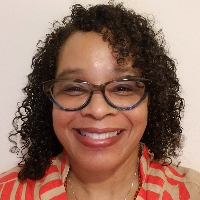
Kentucky · 25 yrs exp
Experienced therapist for perinatal concerns
Stress, Anxiety · Trauma and abuse · Self esteem · Bipolar · +9 more
Read profile
Texas · 3 yrs exp
Support for stress, relationships, and life changes
Stress, Anxiety · Relationship · Family · Trauma and abuse · +13 more
Read profile
Alabama · 12 yrs exp
Calm guidance for life’s difficult transitions
Stress, Anxiety · Trauma and abuse · Anger · Self esteem · +10 more
Read profile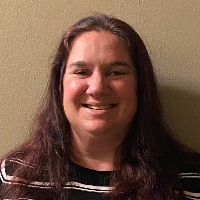
Iowa · 12 yrs exp
Supportive, practical guidance for life transitions
Family · Trauma and abuse · Grief · Parenting · +14 more
Read profile
California · 14 yrs exp
Compassionate care with practical tools
Stress, Anxiety · Relationship · Trauma and abuse · Grief · +1 more
Read profile
United Kingdom · 8 yrs exp
Human-centred counsellor using CBT and practical steps
Stress, Anxiety · Relationship · Grief · Self esteem · +15 more
Read profile
United Kingdom · 8 yrs exp
Relational counsellor for pregnancy and life change
Stress, Anxiety · Grief · Depression · Compassion fatigue · +10 more
Read profile
United Kingdom · 5 yrs exp
Calm, client-centred counselling for life changes
Stress, Anxiety · Addictions · Relationship · Grief · +1 more
Read profile
United Kingdom · 13 yrs exp
Practical, compassionate counselling for life stressors
Stress, Anxiety · LGBT · Trauma and abuse · Grief · +1 more
Read profileWhen you are pregnant, giving birth or adjusting to a new baby, everyday stressors like sleepless nights, relationship strain and changes to roles and identity can be intense. For people experiencing domestic violence, those pressures can interact with fear, isolation and practical barriers to safety in ways that feel overwhelming. Physical safety concerns and emotional impacts can influence your mood, anxiety levels and how you feel about the pregnancy and birth experience. Partners and other family members may also be affected, and you might find that the dynamics at home shape decisions about prenatal care, birthing plans and parenting support.
Online talk therapy is not medical, obstetric or midwifery care: anyone with physical symptoms, thoughts of harming themselves or the baby, or a medical concern should contact their doctor, midwife or emergency services, and give US 988, UK Samaritans 116 123 and AU PANDA 1300 726 306 / Lifeline 13 11 14. If you are in immediate danger, contact local emergency services right away. When you look at profiles on this page, remember that a listed topic indicates the therapist includes domestic violence among their focus areas, not that the profile documents specific certifications, legal expertise or medical training.
You may want to explore how a therapist understands the links between domestic violence and common perinatal concerns such as anxiety, low mood after birth and traumatic birth memories. Some people find that past or ongoing violence contributes to difficulty sleeping, hypervigilance or intrusive thoughts, while others experience relationship strain and grief around unmet expectations for birth and parenting. It is important to approach each situation individually - domestic violence is one of many factors that can influence wellbeing during pregnancy and early parenthood, and it does not automatically explain every emotional response you are having.
When you read profiles, look for language that reflects attention to both safety and the emotional experience of perinatal life. Profiles that list Pregnancy and childbirth or Postpartum depression among additional focus areas suggest the practitioner expects to work with people whose concerns overlap between parenting and interpersonal harm. Use the profiles to find professionals whose descriptions resonate with the challenges you are facing, and plan to ask questions about how they would address safety alongside emotional care.
Before you contact a practitioner, prepare a set of concrete questions that will help you compare how they describe their work. Ask whether they have experience supporting people during pregnancy, after childbirth or while adjusting to a new baby, and whether they have worked with clients who report domestic violence. Ask how they describe their therapeutic approach in everyday language - for example, some profiles list trauma-focused work, some list EMDR among their approaches, and others emphasize relational or attachment-based ways of working. Remember that a profile listing an approach does not guarantee training or certification; instead, use that information as a prompt for discussion.
Other useful questions include whether they are comfortable discussing safety planning and practical supports, how they involve partners if that is relevant to you, and what populations they typically work with. If legal, advocacy or medical coordination might be needed, ask how they handle collaboration with other professionals and whether they can refer you to local resources. You may also want to ask what kind of written information they provide about limits of online therapy, emergency contacts and what to do if you cannot reach them after hours.
Starting therapy online involves practical and safety considerations that are especially important when domestic violence is present. Talk with a potential therapist about how you can maintain a private space for sessions, what to do if someone enters the room unexpectedly and whether text or email is appropriate for brief check-ins. Discuss an emergency plan that includes who you would call locally if you need immediate help, and make sure you and the therapist agree on how to handle situations that require medical or obstetric attention. Clarify how they will document safety concerns and whether they will support you in accessing community or legal resources, while remembering that therapists cannot provide legal advice.
Also discuss how you prefer to work on practical topics such as sleep disruption, feeding challenges and parenting routines, and how these interact with emotional safety. If you are worried about maintaining privacy at home, ask about strategies the therapist recommends for arranging sessions, and whether session times can be adjusted to times when you feel safer. A clear conversation before starting helps set expectations about scope of work - mental health support and coordination do not replace medical care or legal advocacy, and you should contact your health provider or local services for urgent physical issues.
When you compare profiles on this page, focus on specific, observable details. Check whether Domestic Violence is listed as a specialty or additional focus area and whether Pregnancy and childbirth or Postpartum depression are also mentioned. Look at the approaches that are listed and be prepared to ask how those approaches are applied in the context of perinatal life - for instance, you might ask a therapist who lists cognitive and trauma-informed approaches how they help someone manage intrusive memories related to birth or prepare for parenting with reduced fear.
Pay attention to the credentials shown on a profile. Academic degrees such as PhD, PsyD, MD, MA and MSW indicate the practitioner’s academic background. Licensing and registration differ across countries and regions - in the United States, professional licenses are managed at the state level, while in the United Kingdom and Australia practitioners may hold professional registration or memberships that indicate particular standards of practice. A degree alone does not establish current permission to practice. Use profile details about listed location, languages spoken and descriptions of therapy style to narrow choices, and plan to ask each therapist directly about their current professional standing and the populations they work with.
Finally, consider how a therapist communicates in their profile and in any initial contact. The tone they use, the clarity with which they describe session structure and the examples they give about working with pregnancy, birth and early parenthood can help you decide whether their style feels like a comfortable match. Whatever you choose, remember to raise any concerns about safety and medical needs right away with your health providers or emergency services, and use the profiles here as a starting point for a thoughtful conversation about care that fits your family’s situation.
Alabama
61 therapists
Alaska
4 therapists
Arizona
39 therapists
Arkansas
21 therapists
Australia
98 therapists
California
306 therapists
Colorado
61 therapists
Connecticut
32 therapists
Delaware
10 therapists
District of Columbia
4 therapists
Florida
176 therapists
Georgia
54 therapists
Hawaii
9 therapists
Idaho
22 therapists
Illinois
114 therapists
Indiana
49 therapists
Iowa
14 therapists
Kansas
27 therapists
Kentucky
57 therapists
Louisiana
75 therapists
Maine
27 therapists
Maryland
51 therapists
Massachusetts
43 therapists
Michigan
141 therapists
Minnesota
42 therapists
Mississippi
43 therapists
Missouri
86 therapists
Montana
14 therapists
Nebraska
25 therapists
Nevada
20 therapists
New Hampshire
15 therapists
New Jersey
96 therapists
New Mexico
15 therapists
New York
189 therapists
North Carolina
91 therapists
North Dakota
4 therapists
Ohio
99 therapists
Oklahoma
51 therapists
Oregon
23 therapists
Pennsylvania
120 therapists
Rhode Island
4 therapists
South Carolina
37 therapists
South Dakota
6 therapists
Tennessee
48 therapists
Texas
356 therapists
United Kingdom
723 therapists
Utah
27 therapists
Vermont
9 therapists
Virginia
40 therapists
Washington
40 therapists
West Virginia
7 therapists
Wisconsin
63 therapists
Wyoming
10 therapists