- Strengths based
- Goal focused
- Practical tools
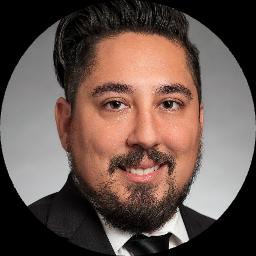
About Erick
He believes change takes courage and that it often involves balancing present needs with lessons from the past. In sessions he supports people as they name goals, try small changes, and build confidence over time. Erick aims for practical steps that fit each person’s daily life.
His work also addresses related concerns such as attachment and abandonment, blended family issues, body image, caregiver stress, codependency, and communication problems. He helps people navigate major life shifts like divorce, separation, or caregiving challenges and offers guidance around substance use and trauma recovery.
Erick uses a mix of approaches to match what a person needs, including client-centered methods, cognitive behavioral ideas, dialectical behavior tools, existential questions, and motivational interviewing. Sessions focus on what matters most to the client and on clear, usable strategies.
People who want to begin can expect a respectful, steady process where the therapist and client decide together what will help. Erick invites those considering therapy to reach out so they can see if the fit feels right.
How Erick’s Approaches Fit into Online Therapy
Erick blends client-centered listening with concrete cognitive behavioral tools and dialectical behavior techniques. Client-centered work begins by listening closely to what matters most to the person and building on existing strengths to set goals. Cognitive behavioral methods look at thoughts and behaviors to create practical steps for managing anxiety, stress, and mood. Dialectical behavior techniques teach skills for managing strong emotions, tolerating distress, and improving interpersonal effectiveness.Deciding which approach to use is collaborative. Erick will work with each person to identify goals, try methods, and adjust the plan if something isn’t helpful. That means the first few sessions often focus on understanding priorities and testing simple strategies together.
If you are interested in online work, confirm the current session options before booking so you know which formats are offered. Online sessions can make it easier to fit therapy into busy days, allow shorter check-ins when needed, and reduce travel time. Many people find they can practice new skills between meetings and bring those experiences back to therapy for problem solving and adjustments.
License and NPI
- LCSW
NPI1144903758
As shown on the therapist's profile. You can check a license with the state board and an NPI with the national registry.
Areas of expertise
Additional focus areas
Therapeutic approaches
Experience
12+ years
Credentials
Texas
Languages
English
Frequently asked questions
What concerns does Erick commonly help with?
He works with stress, anxiety, trauma and abuse, grief, self-esteem, and coping with life changes. He also addresses related areas like attachment issues, caregiver stress, and communication problems.
What is his general therapy style?
Erick practices a client-centered approach that emphasizes the person’s strengths. He pairs that with practical techniques from cognitive behavioral and dialectical behavior approaches.
How much experience does he have?
He has 12 years of professional work experience providing mental health support in Texas.
What are his credentials and where is he located?
He is a licensed clinical social worker, LCSW, licensed in Texas. His practice is based in Texas.
Which languages are offered for sessions?
Sessions are offered in English.
Can people outside the United States work with him?
International clients are not currently accepted.
How much do sessions cost?
Cost varies with location and therapist availability, and sessions use a subscription that can be canceled at any time.
How do I start a conversation or schedule a session?
Select the Start Therapy button, complete a short matching questionnaire, and then schedule according to the therapist’s availability.