- Compassionate listening
- Practical coping skills
- Focus on relationships
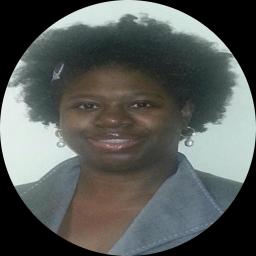
About Lydia
She adapts conversations and treatment plans to each person's needs. Sessions are practical and focused on everyday problems like overwhelm, low confidence, and communication breakdowns. Lydia helps people identify small, manageable steps toward clearer goals and steadier moods.
Pregnancy and childbirth appear among the areas she supports, and she approaches those concerns with attention to changing roles and emotional adjustments. She also addresses attachment and abandonment worries, as well as body image and caregiver stress when these come up during life transitions.
Lydia brings a straightforward, empathetic style to sessions. She listens for what matters most and helps clients build coping skills that fit their routines. The aim is to leave each meeting with a clearer plan and a next step to try.
She accepts international clients and works with people facing issues such as guilt and shame, isolation, money and financial stress, and mood challenges. Lydia encourages anyone ready to explore change to take the first step toward more satisfying day-to-day life.
How evidence-based approaches translate to online care
Many therapists use evidence-based therapeutic techniques that focus on practical change. One common approach helps people learn coping skills and step-by-step strategies for anxiety and stress, such as breathing exercises, activity planning, and breaking problems into manageable parts. Another approach concentrates on relationships and attachment patterns, helping clients notice communication habits and try different ways of connecting that reduce conflict and isolation.Finding the right technique is part of the work together. The therapist will talk with the client about goals, preferences, and how symptoms show up, then suggest approaches to try. This is a collaborative process and adjustments are made as needs change.
If you are considering online therapy, check what session formats the therapist currently offers before booking since formats were not specified in the biography. Online work can make it easier to fit sessions into a busy life, allow shorter check-ins when needed, and remove travel time. It can also help people keep therapy consistent through life transitions like pregnancy and childbirth when schedules shift. Licensed professionals can guide clients in choosing the best way to meet that fits daily routines and treatment goals.
License and NPI
- LPC
NPI1124201413
As shown on the therapist's profile. You can check a license with the state board and an NPI with the national registry.
Areas of expertise
Primary focus
Additional focus areas
Experience
16+ years
Credentials
South Carolina
Languages
English
Frequently asked questions
What concerns does she help with?
She helps people manage stress, anxiety, relationship and family issues, low self-esteem, and coping with life changes. Additional focuses include body image, caregiver stress, attachment and mood concerns.
What is her approach in sessions?
She tailors conversations and plans to each person's needs and uses practical steps to address everyday problems. The tone is respectful, sensitive, and compassionate.
How much clinical experience does she have?
She has 16 years of professional work experience supporting people through a range of life stresses and relationship challenges.
What credentials and location are listed?
She holds an LPC credential and is licensed in South Carolina.
Which languages are supported?
Sessions are offered in English, and she accepts international clients.
What session formats are available?
The original biography does not specify session formats. Please confirm current session options before booking.
How is cost handled for sessions?
Cost varies with location and therapist availability; sessions use a subscription that can be canceled at any time.
How do I begin working with her?
Select the Start Therapy button, complete a short matching questionnaire, and schedule according to the therapist's availability.