
Teresa Adams
LPCMississippi · 16 yrs exp
Relationship-focused counselor for family stress
Stress, Anxiety · Relationship · Family · Parenting · +6 more
Read profileTherapist listings are provided by BetterHelp. We will earn a commission at no extra cost to you if you use our links to buy.
Use these profiles to compare professionals who list Money and Financial Issues alongside pregnancy, birth and early parenthood. You can review focus areas, stated approaches, languages and credentials to find a match that feels right for you.
Browse profiles to learn how different practitioners describe their experience and approach, and reach out directly to discuss whether they can address your specific financial and emotional concerns.
Mississippi · 16 yrs exp
Relationship-focused counselor for family stress
Stress, Anxiety · Relationship · Family · Parenting · +6 more
Read profile
Michigan · 5 yrs exp
Compassionate counselor for life transitions
Stress, Anxiety · Relationship · Family · Self esteem · +12 more
Read profile
Michigan · 15 yrs exp
Compassionate counselor focusing on life transitions
Stress, Anxiety · Relationship · Grief · Self esteem · +7 more
Read profile
Pennsylvania · 9 yrs exp
Calm, attachment-informed therapy for parents
Stress, Anxiety · Relationship · Family · Trauma and abuse · +9 more
Read profile
New York · 13 yrs exp
Practical support for life and perinatal stressors
Stress, Anxiety · Self esteem · Depression · Coping with life changes · +8 more
Read profile
Texas · 5 yrs exp
Practical therapy focused on strengths and goals
Stress, Anxiety · Relationship · Family · Trauma and abuse · +9 more
Read profile
New York · 18 yrs exp
Practical support for stress and relationships
Stress, Anxiety · Relationship · Parenting · Anger · +1 more
Read profile
Colorado · 13 yrs exp
Supportive therapist for life transitions
Stress, Anxiety · LGBT · Relationship · Trauma and abuse · +10 more
Read profile
California · 40 yrs exp
Calm practical therapy focused on life changes
Stress, Anxiety · Relationship · Trauma and abuse · Career · +1 more
Read profile
Pennsylvania · 15 yrs exp
Compassionate counselor for life transitions
Stress, Anxiety · Relationship · Self esteem · Depression · +14 more
Read profile
New York · 20 yrs exp
Practical, culturally aware counseling for life transitions
Stress, Anxiety · Relationship · Family · Self esteem · +15 more
Read profile
Florida · 20 yrs exp
Compassionate, practical help for life's transitions
Stress, Anxiety · Family · Grief · Career · +1 more
Read profile
Texas · 8 yrs exp
Calm, practical support for life transitions
Stress, Anxiety · Relationship · Grief · Bipolar · +1 more
Read profile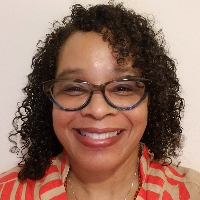
Kentucky · 25 yrs exp
Experienced therapist for perinatal concerns
Stress, Anxiety · Trauma and abuse · Self esteem · Bipolar · +9 more
Read profile
Utah · 11 yrs exp
Support for stress and life transitions
Stress, Anxiety · Family · Self esteem · Depression · +5 more
Read profile
Alabama · 12 yrs exp
Calm guidance for life’s difficult transitions
Stress, Anxiety · Trauma and abuse · Anger · Self esteem · +10 more
Read profile
New York · 23 yrs exp
Experienced New York LMHC for pregnancy-related needs
Stress, Anxiety · Addictions · Career · Depression · +10 more
Read profile
United Kingdom · 8 yrs exp
Human-centred counsellor using CBT and practical steps
Stress, Anxiety · Relationship · Grief · Self esteem · +15 more
Read profile
United Kingdom · 8 yrs exp
Relational counsellor for pregnancy and life change
Stress, Anxiety · Grief · Depression · Compassion fatigue · +10 more
Read profile
United Kingdom · 5 yrs exp
Calm, client-centred counselling for life changes
Stress, Anxiety · Addictions · Relationship · Grief · +1 more
Read profile
United Kingdom · 5 yrs exp
Compassionate person-centred support for parents
Stress, Anxiety · Relationship · Grief · Depression · +9 more
Read profile
United Kingdom · 13 yrs exp
Practical, compassionate counselling for life stressors
Stress, Anxiety · LGBT · Trauma and abuse · Grief · +1 more
Read profile
United Kingdom · 9 yrs exp
Gentle practical counselling for life changes
Stress, Anxiety · Relationship · Family · Trauma and abuse · +12 more
Read profile
Texas · 3 yrs exp
Compassionate, practical counseling for life changes
Stress, Anxiety · Addictions · Parenting · Self esteem · +11 more
Read profileMoney worries are common when you are pregnant, during the weeks after birth and as you adjust to life with a new baby. You may be juggling changes in income, parental leave decisions, childcare planning or costs linked to medical care and feeding. At the same time, the emotional shifts that accompany pregnancy and new parenthood - heightened anxiety, low mood after birth, flashbacks to the birth experience, relationship strain and chronic sleep loss - can make financial decisions feel more overwhelming than they might otherwise.
People come to see professionals for many reasons related to finances. Some want help managing the anxiety that rises when bills pile up or when time off work is being negotiated. Others are trying to make shared decisions with a partner after a challenging birth or a period of low mood. You might be looking for someone to help you plan steps that reduce chaos and allow more mental space, or to process feelings about changing roles and responsibilities tied to money. Whatever brings you here, it can help to know that the emotional impact of financial stress is real and that support can focus on both practical planning and the feelings surrounding those choices.
Financial issues do not always cause emotional distress, and emotional distress does not always come from money. That said, in the context of pregnancy and early parenthood the two often overlap. A difficult birth, uncertainty about breastfeeding or feeding plans, and disrupted sleep can all change your ability to work or to engage with practical tasks. At the same time, conversations about maternity or paternity leave, the cost of childcare, or the decision to return to work can trigger grief, anger or relationship conflict.
On this directory page you will find profiles of professionals who list Money and Financial Issues among their focus areas alongside pregnancy, childbirth or postpartum concerns. That listing is a signal that they have chosen to highlight financial matters as part of the work they do, but it is not evidence of a particular certification or that they provide legal or financial planning services. Use the profiles to learn how each practitioner frames the connection between practical money matters and the emotional experience of becoming a parent, and to identify who speaks in terms that match your situation.
When you read profiles, prepare specific questions that help you compare how someone might work with money-related stress. Ask how they typically structure conversations that involve both practical problem solving and emotional processing. You can ask whether they have experience supporting people through changes related to parental leave, income loss, budgeting after childbirth or financial anxiety that affects sleep and relationships. It is fine to ask about approaches you have seen listed on a profile. For example, you might say "I noticed you list cognitive behavioural therapy or EMDR among your approaches - how do you use those approaches when someone is working through financial stress after a difficult birth?" That phrasing makes clear you are asking how an approach might be applied rather than assuming a qualification.
Be attentive to how professionals describe their credentials. Degrees such as PhD, PsyD, MD, MA or MSW indicate academic training, but a degree alone does not establish current permission to practise. In the United States, look for mention of state professional licences such as clinical social work or marriage and family therapy credentials. In the United Kingdom and Australia, profiles may note registration or membership with professional organisations or governing bodies. Profiles may also list therapeutic approaches, languages spoken and experience with specific perinatal issues. Use that information to form concrete questions about how their training and experience relate to your concerns.
Online talk therapy can be a practical option during pregnancy and early parenthood because it reduces travel and makes it easier to include partners or support people when needed. It is important to recognise that online therapy is not a substitute for medical, obstetric or midwifery care. If you are experiencing physical symptoms, thoughts of harming yourself or the baby, or any urgent medical concern, contact your doctor, midwife or emergency services immediately. If you are in crisis, you can contact US 988, UK Samaritans 116 123 and AU PANDA 1300 726 306 or Lifeline 13 11 14 for immediate help.
Before you begin online work, clarify practical details that matter to you. Discuss how you will handle information-sharing boundaries in your location, what platform or communication methods the clinician uses, whether sessions can include a partner or support person, and how missed sessions or cancellations are handled. Talk about boundaries around messaging outside of sessions and the typical length and pacing of work. If you have concerns about cross-border practice, ask whether the practitioner is authorised to offer remote care to people in your listed location. Finally, describe any medical or social support you are receiving so the practitioner understands the wider context of your care.
Comparing profiles is easier when you bring clear priorities. Think about the balance you want between practical financial guidance and emotional support. Some practitioners emphasise collaborative problem solving and practical planning alongside emotional work; others foreground relational or trauma-focused processing. Look for language in profiles that reflects those emphases. Note which practitioners list pregnancy, childbirth or postpartum depression among their additional focus areas and which also list Money and Financial Issues - that combination suggests they are accustomed to addressing financial themes in the perinatal context, but it does not guarantee a particular technique or legal knowledge.
Language matters when your questions intersect with culture and family expectations. If speaking in your first language is important, look for profiles that list that language and ask about how language is used during sessions. When a profile lists degrees, pay attention to whether academic credentials are presented alongside licensure, registration or membership. Ask concrete comparison questions such as: "How have you supported people navigating parental leave decisions while managing anxiety?" or "Can you describe a typical session when financial worry and sleep loss are both present?" Those kinds of questions invite specific answers about style and fit, helping you choose a practitioner whose approach and communication feel right for you and your partner.
Money and financial issues are a practical part of many people's journeys through pregnancy, birth and early parenthood, and they often come intertwined with the emotional adjustments of becoming a parent. Use the profiles to compare stated focus areas, approaches, languages and credentials, and reach out to discuss concrete examples from your life. If you are facing an urgent health concern or thoughts of harm, contact your medical provider or emergency services right away and use the crisis numbers above for immediate support.
Alabama
61 therapists
Alaska
4 therapists
Arizona
39 therapists
Arkansas
21 therapists
Australia
98 therapists
California
306 therapists
Colorado
61 therapists
Connecticut
32 therapists
Delaware
10 therapists
District of Columbia
4 therapists
Florida
176 therapists
Georgia
54 therapists
Hawaii
9 therapists
Idaho
22 therapists
Illinois
114 therapists
Indiana
49 therapists
Iowa
14 therapists
Kansas
27 therapists
Kentucky
57 therapists
Louisiana
75 therapists
Maine
27 therapists
Maryland
51 therapists
Massachusetts
43 therapists
Michigan
141 therapists
Minnesota
42 therapists
Mississippi
43 therapists
Missouri
86 therapists
Montana
14 therapists
Nebraska
25 therapists
Nevada
20 therapists
New Hampshire
15 therapists
New Jersey
96 therapists
New Mexico
15 therapists
New York
189 therapists
North Carolina
91 therapists
North Dakota
4 therapists
Ohio
99 therapists
Oklahoma
51 therapists
Oregon
23 therapists
Pennsylvania
120 therapists
Rhode Island
4 therapists
South Carolina
37 therapists
South Dakota
6 therapists
Tennessee
48 therapists
Texas
356 therapists
United Kingdom
723 therapists
Utah
27 therapists
Vermont
9 therapists
Virginia
40 therapists
Washington
40 therapists
West Virginia
7 therapists
Wisconsin
63 therapists
Wyoming
10 therapists